
TRADE DESK NOTE
When to Use a China-Side Toy Sourcing Partner
When a China-side toy sourcing partner earns its margin, when it does not, and the SKU-level checks that decide it for importers in the US and EU.
Use a China-side sourcing partner when your order is too small to command a factory's attention, your SKU mix spans more than one production cluster, or your compliance file has to be assembled per SKU rather than per factory. Do not use one when you already have a verified factory relationship, a single dominant SKU, and an in-house QC routine — you will pay a margin for coordination you are already doing.
The decision is not about trust in Chinese suppliers. It is about whether the coordination work — cluster matching, MOQ negotiation, sample rounds, certificate-to-lot mapping, packaging spec, tracking labels — is cheaper to buy than to build. The checks below make that call concrete.
What Decides the Answer
- Cluster fit beats price shopping: Chenghai in Shantou, Guangdong is a plastic toy base, electronic and RC toys concentrate in Guangdong including Dongguan, Shenzhen and Shantou, wooden toys sit in Zhejiang, and plush sits mainly in Yangzhou. A partner who cannot name your cluster is a trader with a phone.
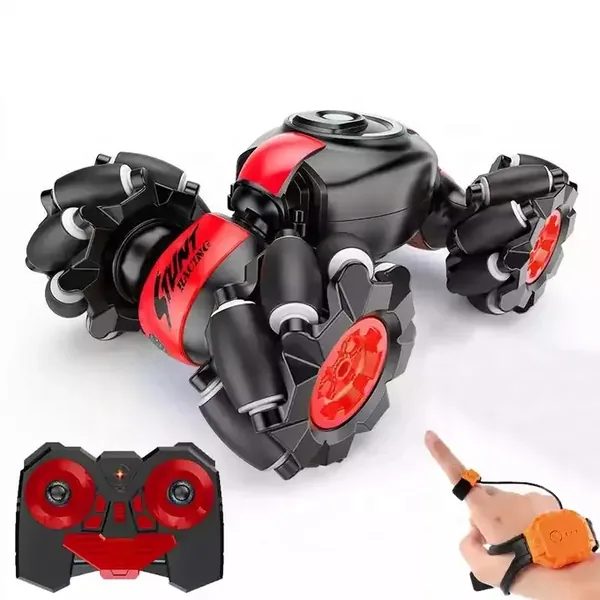
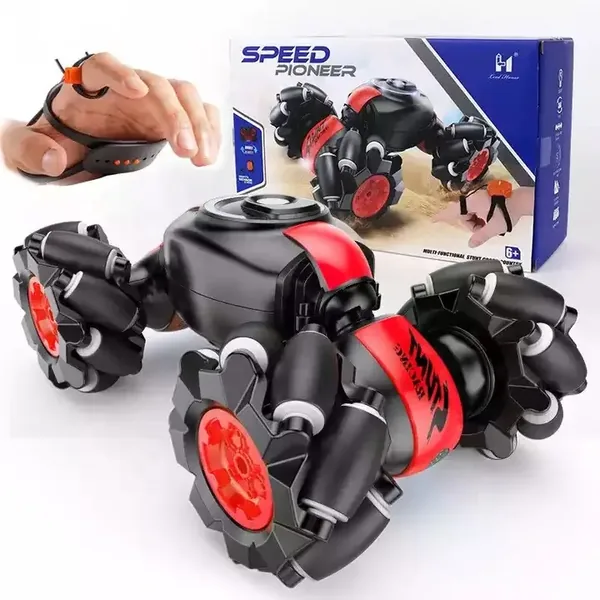
- MOQ is a negotiation, not a wall. Catalog MOQs on plastic RC toys commonly sit in the low hundreds of units — three representative RC SKUs are listed at 120, 108 and 288 units — but a factory's real floor depends on mold, color and packaging, so treat any quoted MOQ as provisional until the spec is fixed.
- Compliance is per SKU, not per factory. A Children's Product Certificate is product-specific and identifies the applicable rules and responsible parties; it is not a blanket factory certificate. If your partner talks about 'our factory is certified', the paperwork conversation has already gone wrong.
- A partner earns its fee on the messy SKUs: multi-cluster baskets, corner-sensitive goods that need double-wall, corner boards, ECT and pallet height written into the booking file, and lots that need manufacturer, date and lot printed on product or pack.
- The cheapest signal of a real partner is reorder behavior. A buyer who starts asking 'when is the next batch?' instead of 'do you have stock?' is describing a supply relationship, not a marketplace transaction.
What does a China-side sourcing partner actually do that a factory cannot?
A China-side partner does three jobs a single factory structurally cannot: it spans clusters, it absorbs small-lot coordination, and it owns the paperwork chain across multiple suppliers. A factory in Chenghai makes plastic toys well and does not make wooden toys in Zhejiang or plush in Yangzhou. If your assortment crosses those lines, someone has to sit between you and three production bases.
The second job is attention. A 300-unit order is noise to a factory running a multi-cavity mold; it is a normal workday to a sourcing partner aggregating several buyers. That aggregation is also where the margin comes from — you are not paying for access, you are paying for someone else's volume to sit next to yours.
The third job is the one buyers underestimate. Certificates, test reports, declarations and labels have to be matched to the market, the lot and the SKU. A UKCA file and a VOC file on an electric bubble machine are different papers, and one certificate cannot cover both. Paperwork that does not match the lot is not paperwork.
Where a partner adds nothing: you have one SKU, one factory, a stable spec, and a QC process that already catches cavity-specific variation. Multi-cavity molds require cavity identification and balance checks because the same machine cycle can still produce cavity-specific differences — if you already run that discipline, an intermediary just adds a layer between you and the person who can fix it.
Sourcing Channel Comparison for Toy Importers
| Direct factory (single cluster, e.g. Chenghai plastic) | Best for: one dominant SKU, stable spec, volume above the factory's real floor. Trade-off: you own compliance mapping, packaging spec and QC; no help if the assortment widens. |
|---|---|
| China-side sourcing partner / agent | Best for: multi-cluster baskets, small-to-mid lots, buyers without China staff. Trade-off: adds a margin layer and a communication hop; you must still verify the underlying factory. |
| Trading company (export desk, no owned production) | Best for: buyers who want one invoice and one English-speaking contact. Trade-off: hardest channel to audit — you rarely see the line that actually runs your order. |
| Wholesale market buying (Yiwu, and similar) | Best for: trend testing, small mixed lots, fast assortment changes. Trade-off: weakest paper trail; compliance evidence for a specific lot is usually the hardest to obtain. |
| Marketplace listing (Alibaba, Made-in-China, Global Sources, 1688) | Best for: supplier discovery and price benchmarking. Trade-off: a listing is a lead, not a verified factory; verification is a separate, paid step. |
Chenghai, Shantou, Guangdong and Yiwu: what each base is actually good for
Chenghai, a district of Shantou in Guangdong, is the plastic toy base — the cluster buyers mean when they say 'toy capital'. If your product is an injection-molded toy, a remote-control car, or anything that lives or dies on mold quality and cycle time, this is where the tooling and the molders are. Electronic and RC toys concentrate across Guangdong, including Dongguan, Shenzhen and Shantou, which is why a Guangdong-side partner can cover both plastic bodies and the electronics inside them.
Yiwu in Zhejiang works differently. It is a trading and wholesale-market city, not a molding cluster. Its strength is breadth and speed: you can assemble a mixed container of small items quickly. Its weakness is exactly what regulated toy buyers need most — traceable, lot-matched compliance evidence. Use Yiwu for trend testing and mixed non-critical assortments; do not use it as your primary base for a children's product that needs a CPC or an EU Declaration of Conformity.
The other bases matter for the same reason: wooden toys sit in Zhejiang, plush sits mainly in Yangzhou with additional production in Dongguan and increasingly in western provinces chasing lower labor cost. If your partner quotes all four categories from one address, ask which factory runs which line.
One practical consequence: cluster choice changes your compliance workload. A plastic toy with painted parts raises heavy-metal questions in the paint; plush raises phthalate questions. Neither is a reason to avoid the cluster — it is a reason to budget third-party testing and factory inspection instead of accepting supplier documents at face value.
How do you verify a Chinese toy supplier before you send a deposit?
Verify in this order: entity, then factory, then product, then lot. Skipping to product is why buyers end up with a beautiful test report for a SKU they did not order.
Entity: confirm the business license name matches the bank account name and the name on the proforma invoice. A mismatch is the single most common red flag and it costs nothing to check.
Factory: ask for the production address, then have someone stand in it. A third-party factory audit is the standard tool; a video walkthrough is a weak substitute but better than nothing. If the supplier refuses an audit, that is your answer.
Product: the compliance file must be product-specific. According to the EU Toy Safety Directive, CE marking and an EU Declaration of Conformity belong to the conformity process and must be matched to the product scope. According to CPSC business guidance, children's toys generally require testing at a CPSC-accepted laboratory and a Children's Product Certificate, and the CPC is based on testing results and identifies the applicable rules and responsible parties. A test report should identify the product configuration, age grade and standard edition — if it does not, it is not usable evidence.
Lot: this is where most buyers stop too early. According to CPSC tracking-label guidance, tracking information should be permanent and support product identification where applicable, and packaging, product markings and lot control should be reviewed together. A decorative barcode is not a tracking label; manufacturer, date and lot belong on the product or pack as required, and the CPC should stay matched to the SKU rather than to the factory door.
Two more checks that separate a real supplier from a fast talker. First, age grading: a 3+ label is a product-specific age decision and does not remove the need to evaluate foreseeable younger-child access when the marketing or design reaches that audience. Second, market split: Great Britain and Northern Ireland use different product-marking routes for toys, so the listing must identify the destination before anyone selects CE, UKCA or CE UKNI evidence. A partner who asks 'which market and which SKU?' before quoting is doing the job. One who quotes first is not.
Where a sourcing partner does not help — and where it quietly saves the order
A partner will not fix a bad product decision. If the SKU is wrong for your market, faster sampling just gets you to the wrong place sooner. It also will not replace your own compliance judgment: Incoterms allocate trade responsibilities but do not certify the toy or replace CE, CPC, UKCA or other market evidence. FOB, CIF and DDP tell you who pays and who carries risk; they say nothing about whether the product may lawfully be sold.
Where the fee genuinely pays for itself is logistics detail that nobody writes down until it goes wrong. Corner-sensitive goods die in LCL when the booking instruction is a thank-you note. Double-wall, corner boards, ECT and pallet height have to be written into the booking file, not agreed verbally. A partner who owns that document earns their margin on one container.
The other quiet save is batch discipline. A buyer whose mix became a top average-ticket item during children's party season did not get there by asking 'do you have stock?' — she got there by asking 'when is the next batch of #03?'. That shift from availability to batch is the moment a sourcing relationship becomes an asset. If your partner cannot answer a batch question with a lot number, you have a marketplace, not a supply chain.
Should you consolidate with one partner or split across several?
Consolidate when your SKUs share a cluster and a compliance profile; split when they do not. One partner covering Chenghai plastic and Guangdong electronics is efficient because the two sit in the same province and often the same compliance conversation. One partner claiming to cover plastic, wooden, plush and electronic toys from a single office is a coordination layer over subcontractors you cannot see.
Split when the categories diverge on risk. A plush item and a painted plastic item fail for different reasons — phthalates versus heavy metals in paint — and the testing, the suppliers and the fix are different. Keeping them with separate specialists makes each failure cheaper to diagnose.
Consolidate the paperwork, not necessarily the production. You can run three factories and one compliance file owner. What you should not do is run three compliance narratives and hope they match at customs.
FAQ
At what order volume does a China-side sourcing partner stop being worth the margin?
There is no universal threshold, but the logic is: a partner is worth it while your coordination cost exceeds their fee. If you have one SKU, one verified factory and repeat orders, you are paying for work you already do. If your basket spans clusters or your lots are small, the fee usually survives the comparison. Confirm your factory's real MOQ for the exact spec before deciding — catalog MOQs are provisional.
Can I use one factory's certificate for several of my SKUs?
No. A Children's Product Certificate is product-specific and identifies the applicable rules and responsible parties; it is not a blanket factory certificate. Test reports must match the product configuration, age grade and standard edition. If a supplier offers one certificate across a range, treat it as a documentation gap, not a shortcut.
What should I ask for before paying a deposit to a Shantou or Chenghai factory?
Ask for the business license name, the production address, a product-specific test report naming the configuration and age grade, and confirmation of which market the evidence is built for — Great Britain and Northern Ireland use different marking routes. Then verify the entity name matches the bank account and the invoice. A mismatch is a stop signal.
Is Yiwu a good base for children's toys sold in the EU or US?
Yiwu is strong for breadth, mixed small lots and fast trend testing, but it is a trading market rather than a molding cluster, and lot-matched compliance evidence is harder to obtain there. For a regulated children's product needing a CPC or an EU Declaration of Conformity, source from the production cluster and keep Yiwu for non-critical assortment.
How long should sampling and first shipment take for a plastic RC toy?
Treat any timeline as supplier-specific and confirm it in writing against your spec. Sample rounds depend on whether tooling exists, and first shipment depends on mold scheduling, packaging and booking. Do not accept a timeline quoted before the spec, packaging and destination market are fixed — those three variables move the date more than the factory does.
Do Incoterms like FOB or DDP cover toy compliance?
No. FOB, CIF, DDP and other Incoterms allocate trade responsibilities but do not certify the toy or replace CE, CPC, UKCA or other market evidence. Compliance is a separate file that must be matched to the SKU and the lot regardless of who pays the freight.
Sources
- china toys sourcing guide
- toy sourcing china agent
Request a Quote or a Factory Audit
If you want to test the framework on a real order, send your SKU list, destination market and target volume. We will tell you which cluster fits, what the MOQ looks like for the exact spec, and which documents we can produce per SKU — and if a direct factory relationship is the better call for your case, we will say so.
For buyers who want to verify before committing, request a factory audit and a sample round. Bring your own checklist: entity match, production address, product-specific test report, age grade, tracking label content, packaging spec. We will answer against it line by line.
Next step